Skip to content

Cart

Your cart is empty

Beyond festive wear: Five takeaways from this season of Lakmé Fashion Week x FDCI
AM.IT by Amit Aggarwal

Beyond festive wear: Five takeaways from this season of Lakmé Fashion Week x FDCI

Sustainability, playful collaborations and a renewed focus on ready-to-wear marked this season that looked well beyond occasionwear.

Sustainability took centre stage this season, with two high-profile competitions signalling circular design’s growing place in Indian fashion. On the eve of the event, Kering’s Generation Award — which was launched in 2018 to recognize innovative sustainable initiatives — made its India debut. Ashita Singhal’s Paiwand Studio was awarded a €50,000 prize, mentorship, access to Kering’s European supply chains and an invitation to ChangeNOW Paris in 2027. The Noida-based label, founded in 2018 and named after “paiwand lagane” (to patch or repair in Hindi), turns pre-consumer garment waste into new handloom fabric and embroidery.
The R|Elan Circular Design Challenge, organised by Reliance Industries with the United Nations in India and LFW, extended the conversation. Seven finalists, chosen from around 200 applicants, showed waste-conscious collections at the French Embassy. Saurabh Maurya’s Margn won with Himalayan craft-inspired knitwear, while Anil Padia’s Yoshita 1967, a recent LVMH Prize Savoir Faire winner, took runner-up for hand-crocheted pieces made from biodegradable cotton and repurposed mirrorwork.

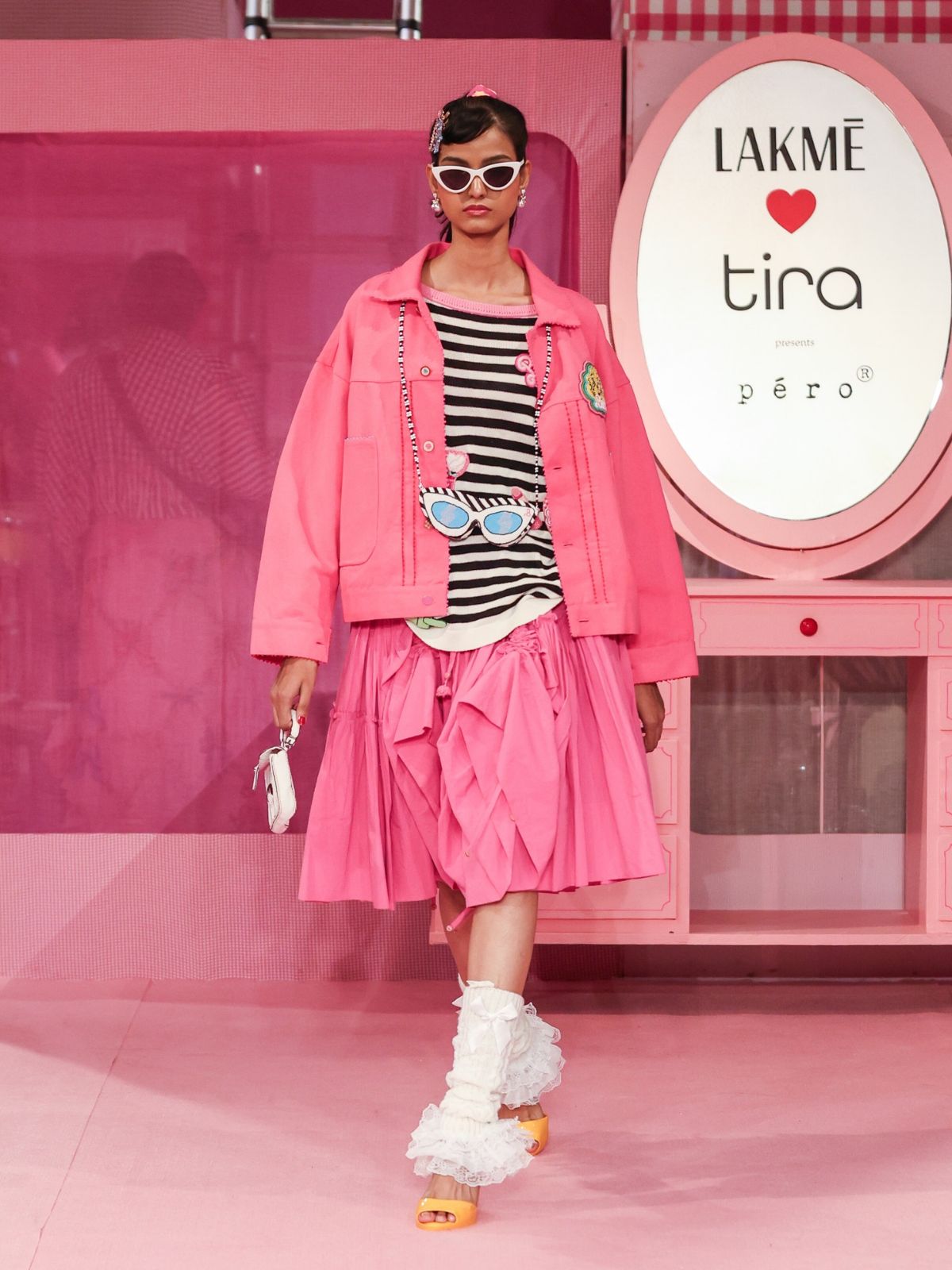
Designer Aneeth Arora’s New Delhi-based label opened Lakmé Fashion Week with an immersive pink Barbieverse, in which models dressed as Barbies and Kens rolled across a striped runway. Following successful previous collaborations with Sanrio’s Hello Kitty, London’s Liberty Fabrics, The Woolmark Company, Arora's latest partnership was a real dopamine hit. Interestingly, péro was the finale brand at the last season of fashion week, with a show that received a standing ovation — her immersive presentations make a case for immersive theatrics and drama, a masterclass in world building.

Last season, a fresh crop of designers including Kartik Research, Countrymade, Sahil Aneja and Vivek Karunakaran, brought renewed vigour to menswear. This season, the category continued to hold the fort with experimental yet accessible silhouettes in an array of craft traditions. Standouts included streetwear brand Farak, which brought unisex bombers, cropped jackets and braided belts with appliqué to the runway, and Tarun Tahiliani’s menswear diffusion line Tasva, which kept playing with layering and traditional silhouettes like the angrakha. The GenNext showcase saw Day and Age present outerwear, ties, shorts and shirts made from repurposed sari fabric, with distressed patches and extensive kantha work that gave everyday staples a fresh jolt of color and character.

Luxury pret is having a bit of a moment in India — everyone from Rahul Mishra and Anamika Khanna to Tarun Tahiliani are in on it — and two shows this edition of fashion week furthered that narrative. Following his Paris Couture Week debut this year, Manish Malhotra returned home to launch his luxury prêt line. A unisex collection, it consisted of womenswear that included breezy silhouettes, kaftans, and standout menswear pieces in the form of cropped jackets, contemporary shirts and relaxed tailoring in abundant velvet. Accessories included clutches, tote bags and shoulder bags emblazoned with the brand’s logo, and jewellery featuring diamonds and rare gemstones.

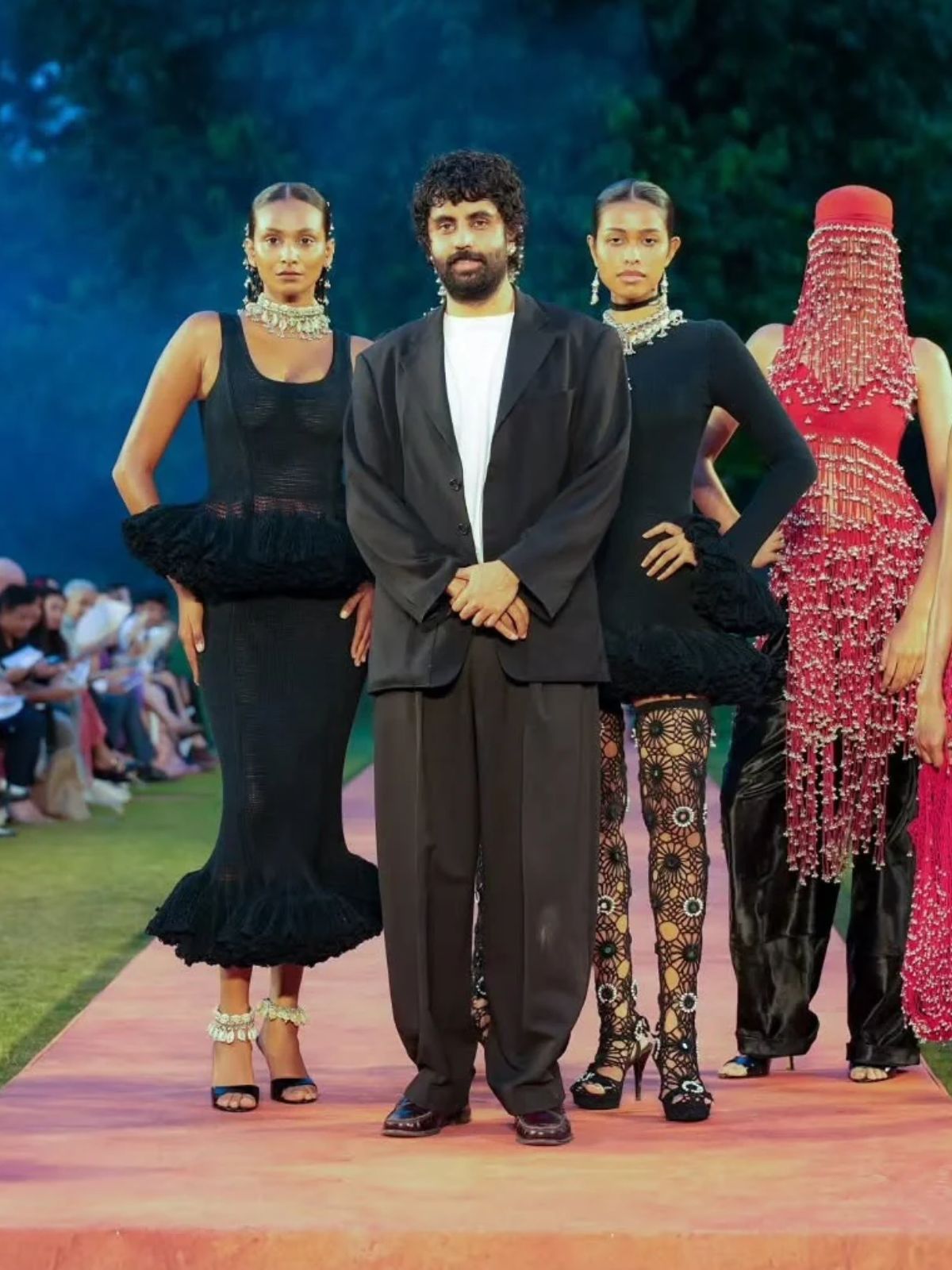
Amit Aggarwal closed the season with the latest from his prêt line AM:IT. A riotously fun exploration, the collection featured pinstripes and jackets tied around waists, macramé silhouettes, expressive colours and beaded textures added irreverence. Its strongest proposition was the ubiquitous chatai (a common Indian household mat), whose firm structure was retained for architectural silhouettes and torn into fringes elsewhere

India’s crafts are astonishingly varied, shifting from region to region, and this season brought the pashmina heritage of Ladakh to life through a special showcase. Titled ‘The Fifth Season: A Fashion Story From Ladakh’, it featured four designers from the region, each with its own interpretation of pashmina and the region’s indigenous textile traditions, focusing on craft techniques preserved within the Changthang pastoral community. Namza Couture showed ensembles in silk brocade and pashmina, while Zilzom offered self-designed silk prints inspired by Changthang’s landscapes, alongside works in snambu (a traditional Ladakhi woollen textile). Changra Ladakh and Charkha Ladakh highlighted the quality of indigenous craftsmanship through exquisite handwoven and handspun pashmina shawls.
While Paris, Milan, London and New York each have a marquee fashion week that helps define their fashion industries on the global stage, India’s equivalent is Lakmé Fashion Week, held in collaboration with the Fashion Design Council of India (FDCI).

The latest winter-festive 2026 edition held in New Delhi, put the spotlight on homegrown labels well beyond just bridal wear. While occasion wear still remains one of the biggest commercial opportunities in India, there is a decided shift towards contemporary clothing, pret and younger brands bringing in an increasingly unique POV. Here’s what stood out to us.

Sustainability takes centre stage

Yoshita

Sustainability took centre stage this season, with two high-profile competitions signalling circular design’s growing place in Indian fashion. On the eve of the event, Kering’s Generation Award — which was launched in 2018 to recognize innovative sustainable initiatives — made its India debut. Ashita Singhal’s Paiwand Studio was awarded a €50,000 prize, mentorship, access to Kering’s European supply chains and an invitation to ChangeNOW Paris in 2027. The Noida-based label, founded in 2018 and named after “paiwand lagane” (to patch or repair in Hindi), turns pre-consumer garment waste into new handloom fabric and embroidery.

The R|Elan Circular Design Challenge, organised by Reliance Industries with the United Nations in India and LFW, extended the conversation. Seven finalists, chosen from around 200 applicants, showed waste-conscious collections at the French Embassy. Saurabh Maurya’s Margn won with Himalayan craft-inspired knitwear, while Anil Padia’s Yoshita 1967, a recent LVMH Prize Savoir Faire winner, took runner-up for hand-crocheted pieces made from biodegradable cotton and repurposed mirrorwork.

péro enters Barbieverse with a new collaboration

péro's Barbie collaboration

Designer Aneeth Arora’s New Delhi-based label opened Lakmé Fashion Week with an immersive pink Barbieverse, in which models dressed as Barbies and Kens rolled across a striped runway. Following successful previous collaborations with Sanrio’s Hello Kitty, London’s Liberty Fabrics, The Woolmark Company, Arora's latest partnership was a real dopamine hit. Interestingly, péro was the finale brand at the last season of fashion week, with a show that received a standing ovation — her immersive presentations make a case for immersive theatrics and drama, a masterclass in world building.

Menswear rules the roost

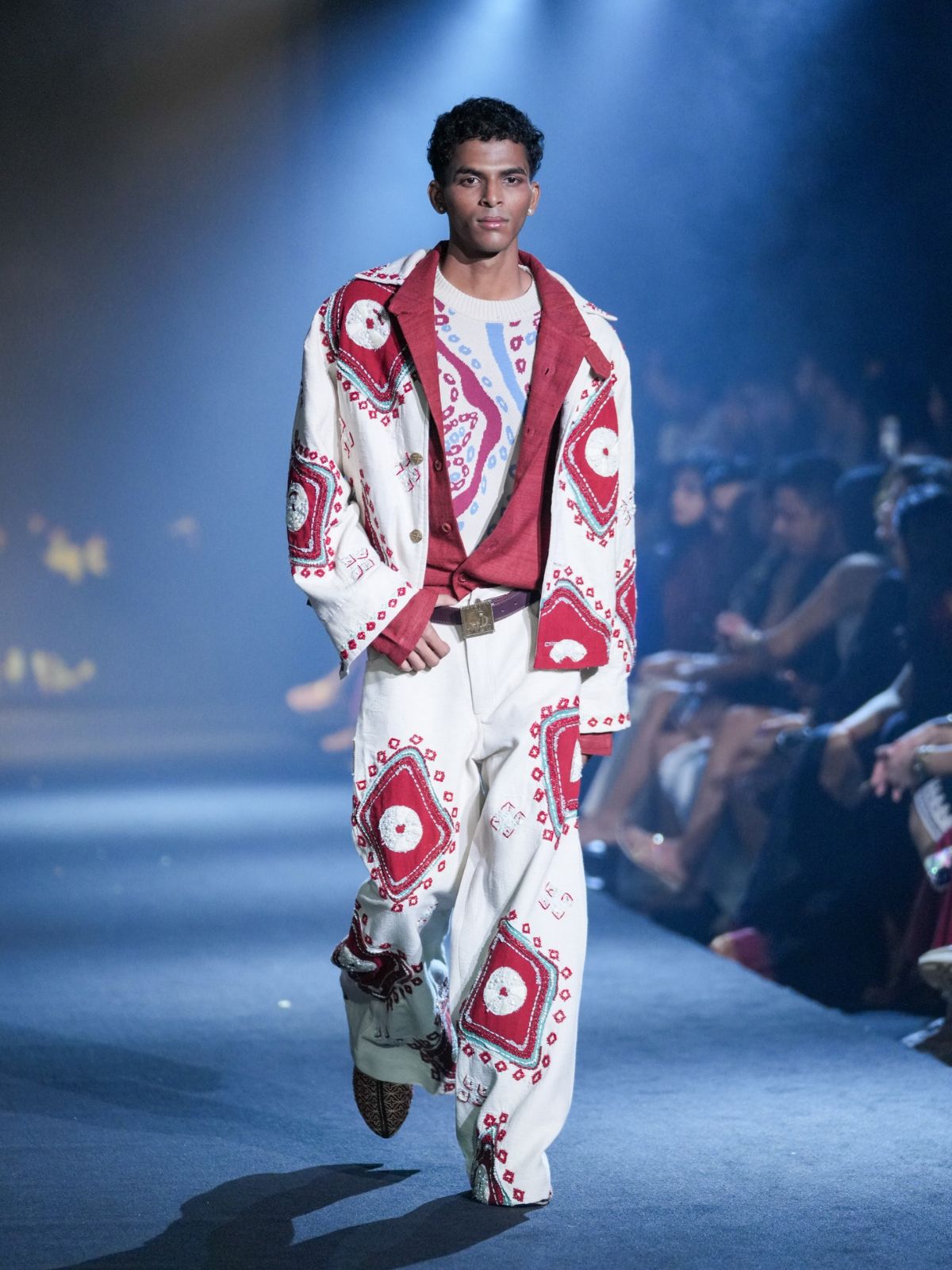
FARAK

Last season, a fresh crop of designers including Kartik Research, Countrymade, Sahil Aneja and Vivek Karunakaran, brought renewed vigour to menswear. This season, the category continued to hold the fort with experimental yet accessible silhouettes in an array of craft traditions. Standouts included streetwear brand Farak, which brought unisex bombers, cropped jackets and braided belts with appliqué to the runway, and Tarun Tahiliani’s menswear diffusion line Tasva, which kept playing with layering and traditional silhouettes like the angrakha. The GenNext showcase saw Day and Age present outerwear, ties, shorts and shirts made from repurposed sari fabric, with distressed patches and extensive kantha work that gave everyday staples a fresh jolt of color and character.

Indian fashion’s pret boom

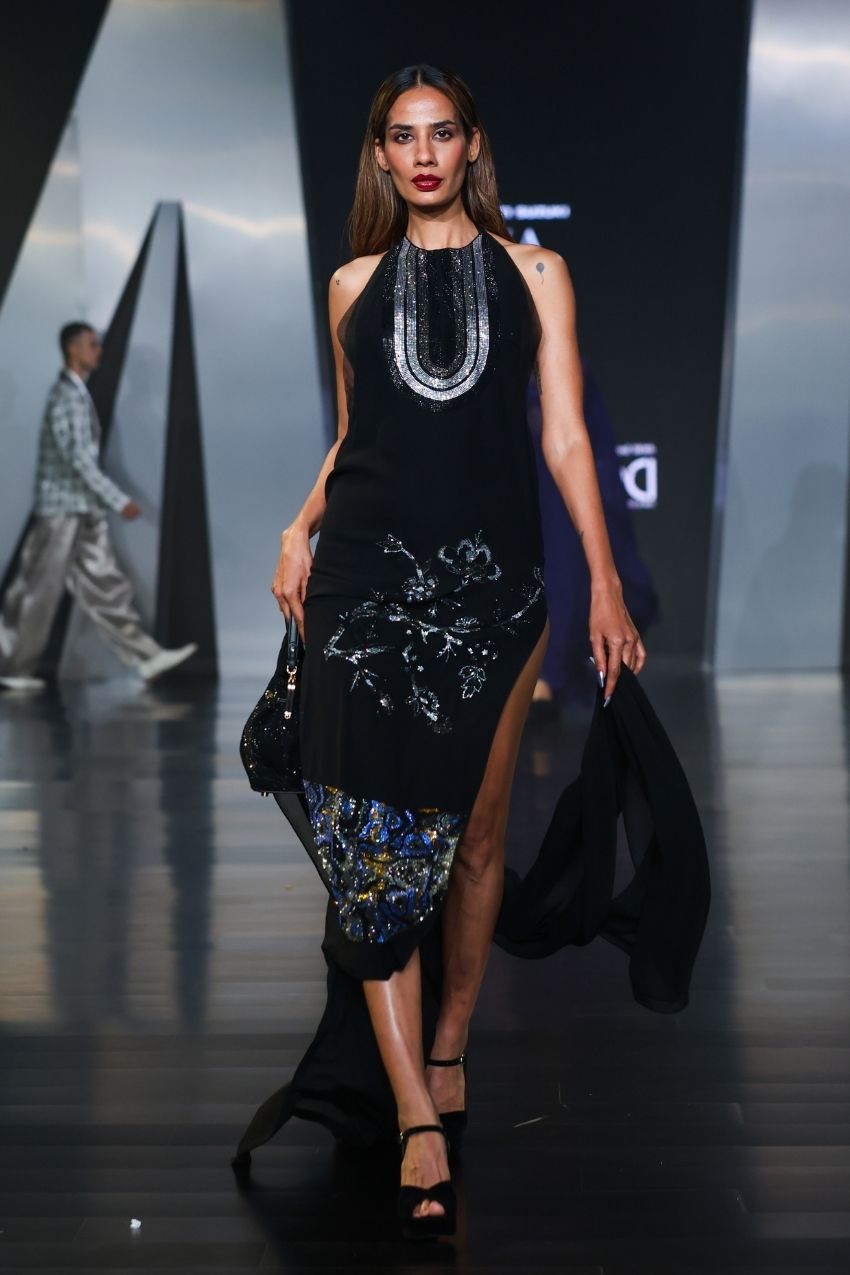
Manish Malhotra

Luxury pret is having a bit of a moment in India — everyone from Rahul Mishra and Anamika Khanna to Tarun Tahiliani are in on it — and two shows this edition of fashion week furthered that narrative. Following his Paris Couture Week debut this year, Manish Malhotra returned home to launch his luxury prêt line. A unisex collection, it consisted of womenswear that included breezy silhouettes, kaftans, and standout menswear pieces in the form of cropped jackets, contemporary shirts and relaxed tailoring in abundant velvet. Accessories included clutches, tote bags and shoulder bags emblazoned with the brand’s logo, and jewellery featuring diamonds and rare gemstones.

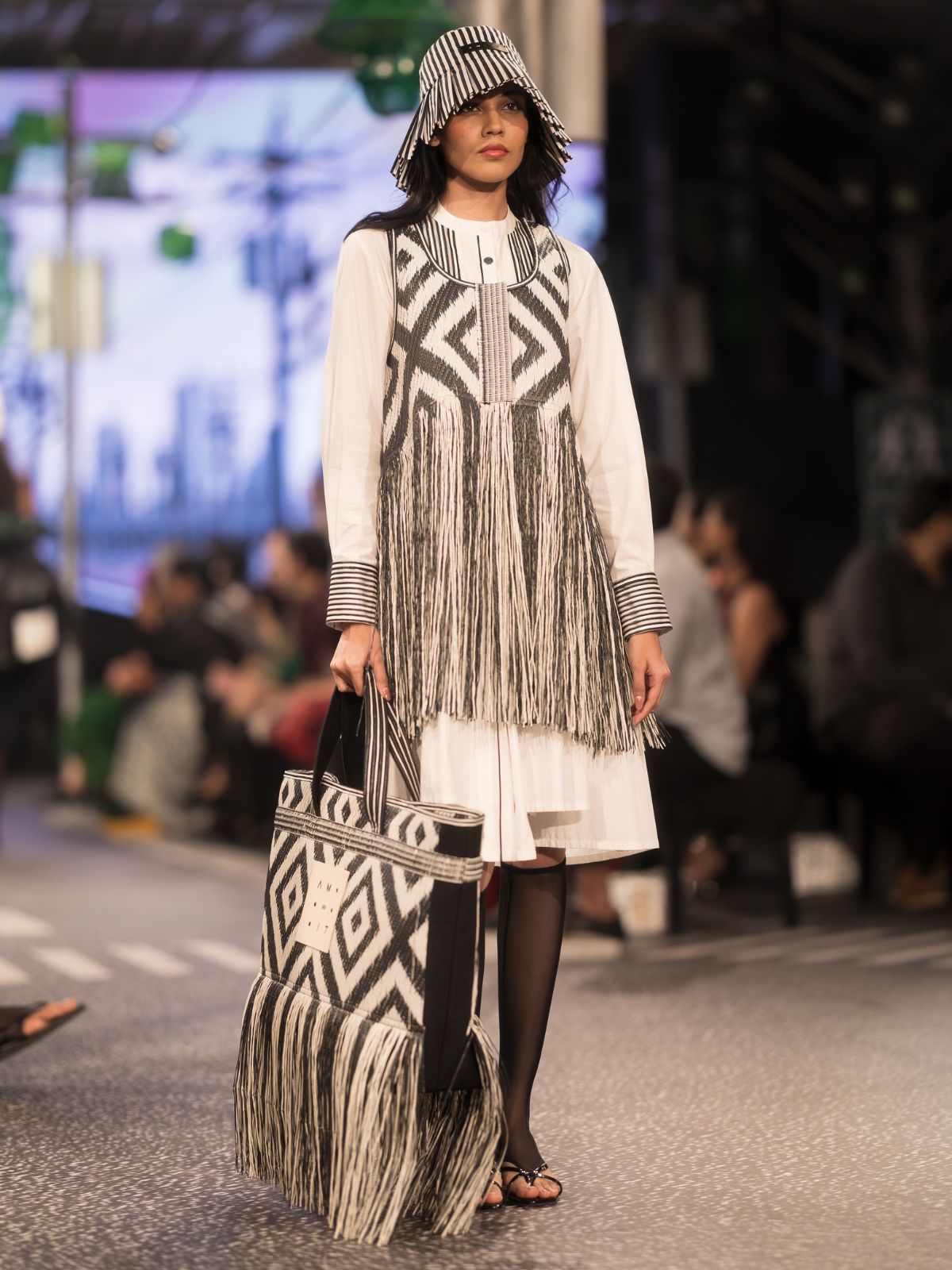
Amit Aggarwal closed the season with the latest from his prêt line AM:IT. A riotously fun exploration, the collection featured pinstripes and jackets tied around waists, macramé silhouettes, expressive colours and beaded textures added irreverence. Its strongest proposition was the ubiquitous chatai (a common Indian household mat), whose firm structure was retained for architectural silhouettes and torn into fringes elsewhere.

A spotlight on the crafts of Ladakh

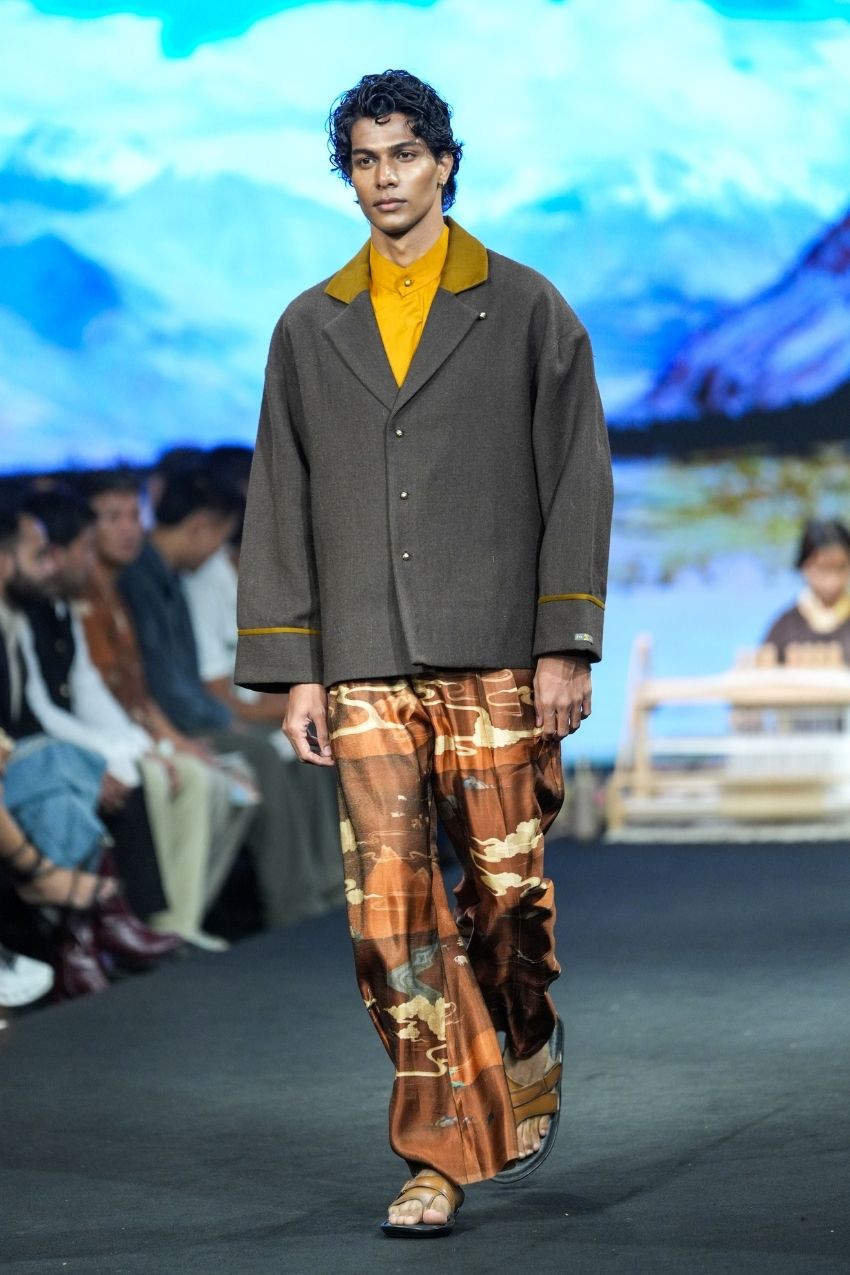
LADAKH

India’s crafts are astonishingly varied, shifting from region to region, and this season brought the pashmina heritage of Ladakh to life through a special showcase. Titled ‘The Fifth Season: A Fashion Story From Ladakh’, it featured four designers from the region, each with its own interpretation of pashmina and the region’s indigenous textile traditions, focusing on craft techniques preserved within the Changthang pastoral community. Namza Couture showed ensembles in silk brocade and pashmina, while Zilzom offered self-designed silk prints inspired by Changthang’s landscapes, alongside works in snambu (a traditional Ladakhi woollen textile). Changra Ladakh and Charkha Ladakh highlighted the quality of indigenous craftsmanship through exquisite handwoven and handspun pashmina shawls.